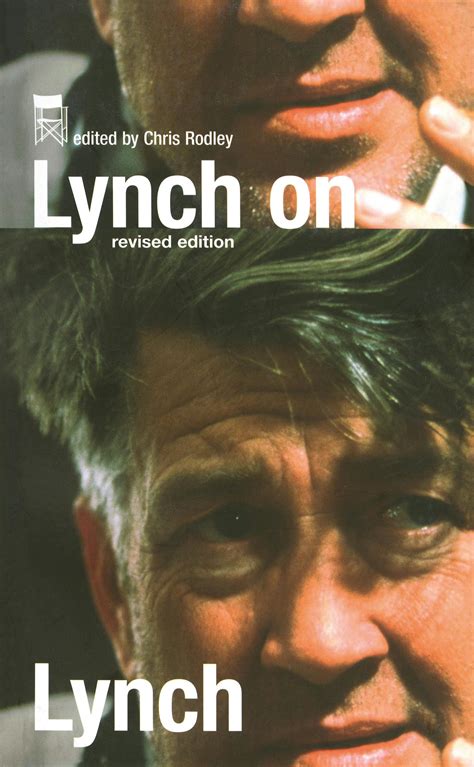
Lynch on Lynch

I don’t often read interview books, especially on film. I tend to not really enjoy books about movies/movie industry/etc (thinking about the Francis Ford Coppola book), for reasons I don’t understand. But, David Lynch is my favorite director, and what sets this apart is that I can hear his voice when I read him responding to Chris Rodley’s questions, and sometimes that’s good for a big laugh. I don’t have complicated thoughts on this – if you’re a fan of Lynch, it feels like required reading. Very glad I picked it up. ...

July 2, 2026 · David Lynch, Chris Rodley · 

Eichmann in Jerusalem

I’m not going to write a long review of Arendt’s report on Eichmann’s trial as I picked it up specifically to explore the elements of justice that are described therein. I also feel this is a difficult book to review; I have no historical expertise on the subject and am unqualified to evaluate anything about it other than, maybe, the prose. And the prose, I like. Arendt’s writing here—despite the topic—is quite a bit more “fun” than her writing in The Human Condition, in that she writes with a lot of irony and a dry humor. ...

June 27, 2026 · Hannah Arendt · No rating

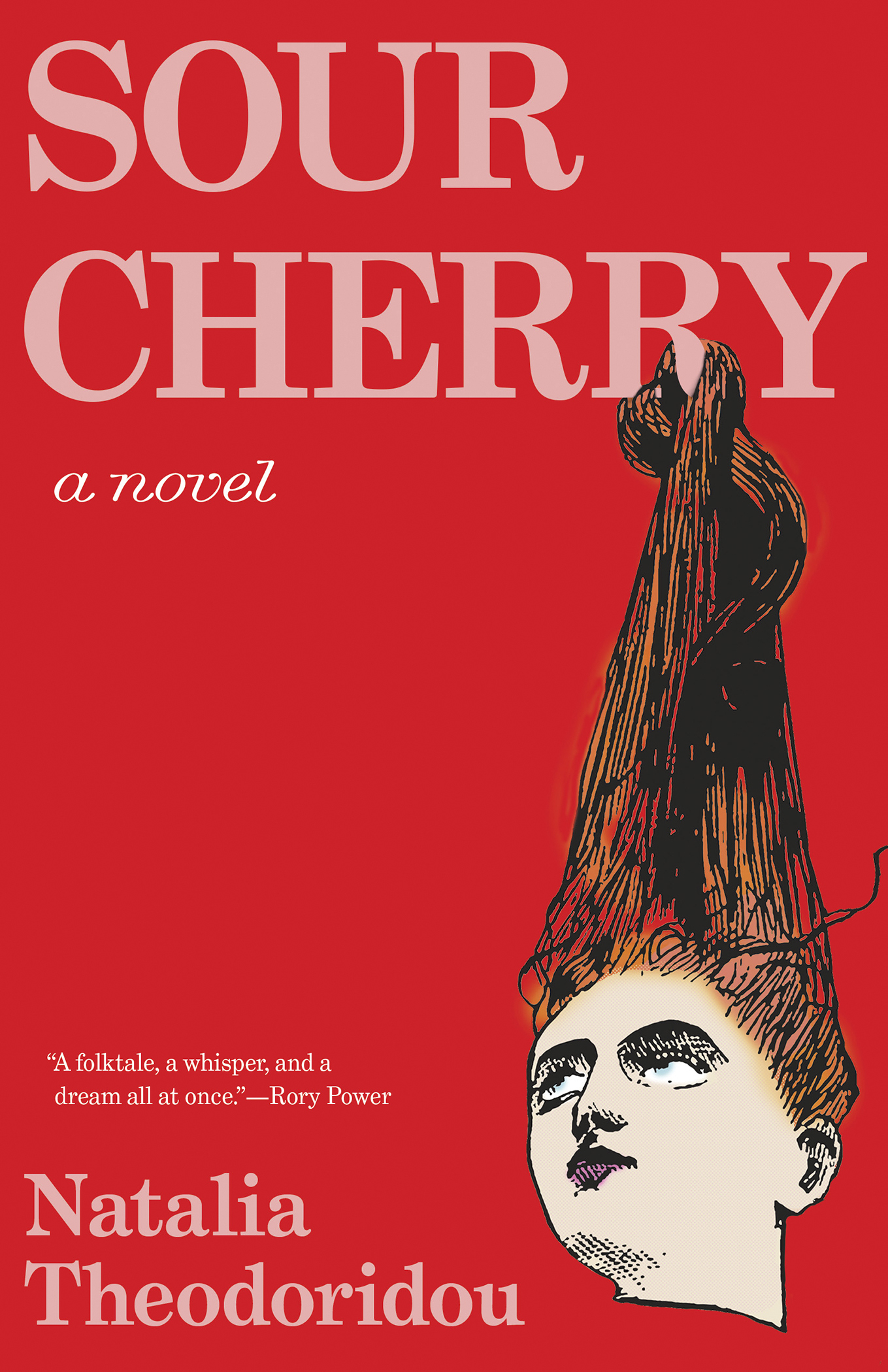
Sour Cherry

Theodoridou’s recent book is my small press club’s pick for June, and what a strange little book. It is a retelling, kind of, of the Bluebeard story. I think I first encountered the Bluebeard story in Stephen King’s The Shining, but probably before in some form as well. In general, I think the book is quite good. Theodoridou’s framing device for Sour Cherry features an unnamed narrator reciting the events of the tale as though they are a ghost story, presumably to “you” the reader, who also may or may not be a child. ...

June 14, 2026 · Natalia Theodoridou · 

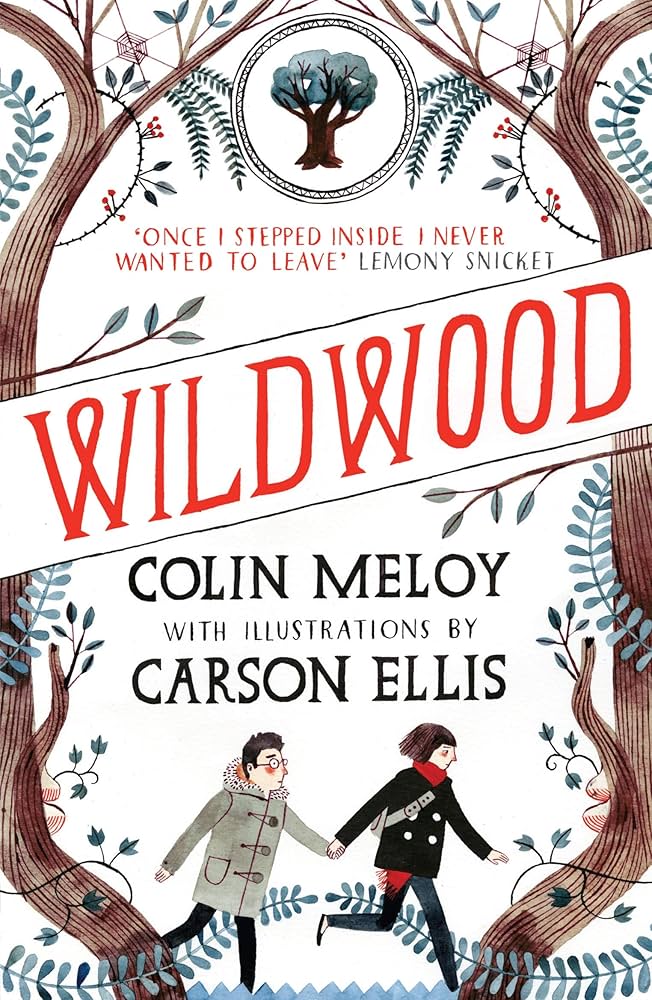
Wildwood

I bought this because the trailer for Laika’s adaptation dropped a few weeks ago. The trailer is one of the best I have ever seen, so I felt inclined to read the source before the movie. The book is somewhat a kid’s book, I would put it alongside A Series of Unfortunate Events or Spiderwick. A major difference is most of those books are pretty short, and this one is some 500 pages. I do think it is a little too long for what it is doing and I ended up skimming through some parts because they felt a little rote and a little overwritten. Still, it’s a fanciful world and I liked the characters. While I doubt I continue the series, I’m very much looking forward to the film. ...

June 12, 2026 · Colin Meloy · 

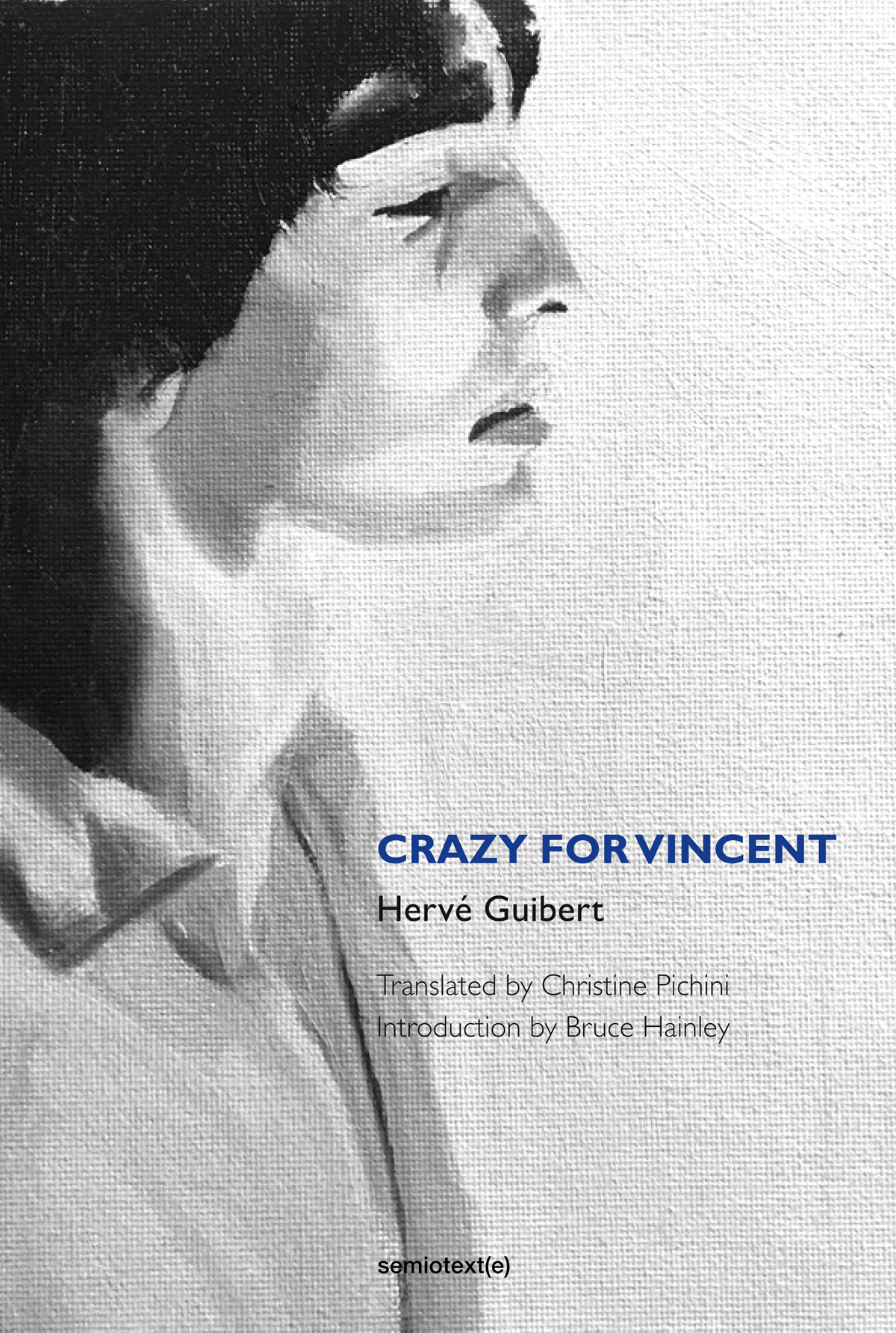
Crazy for Vincent

I became aware of Guibert via Philippe Besson’s Lie With Me, and so picked up Written in Invisible Ink, a collection of short stories which I had mixed feelings about but generally liked. Crazy for Vincent has been on my saved titles list on ThriftBooks for quite a while and I finally found a copy. It’s a short little diary, told reverse-chronologically, of Hervé’s love for Vincent. It begins in 1989 at the end of November, with Vincent’s death. I often forgot that we are moving back through time, through the period of Hervé’s knowing of and love for (obsession with?) Vincent. In a way it is fitting that we start with Vincent’s death, because we have no sense of the book-Hervé’s continued life afterwards, it is as if he, too, died. ...

June 5, 2026 · Herve Guibert · 

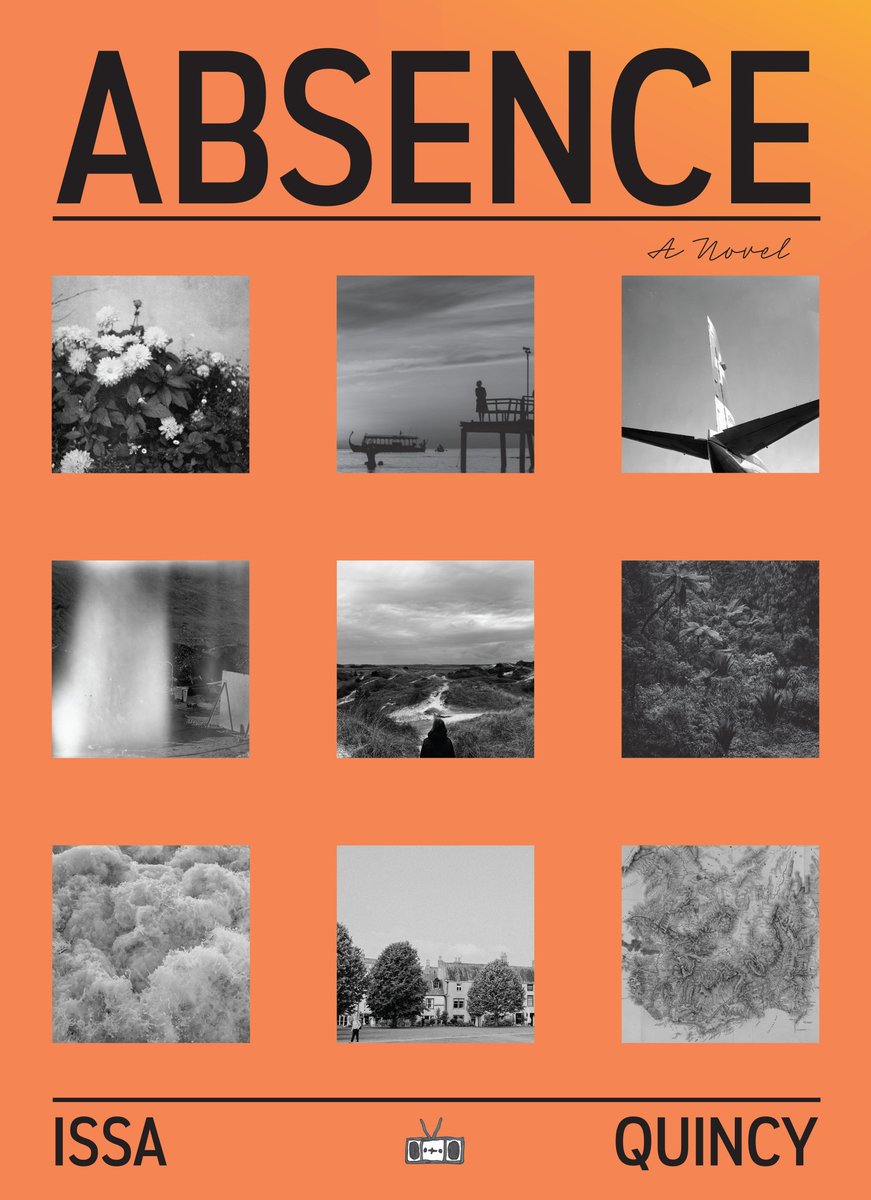
Absence

Quincy’s Absence was my book club’s pick for May, and it’s one of the books we’ve read that I’ve appreciated (enjoyed might not be the right word) the most over the past year. I was sad to miss the group’s discussion; I finished the book around 9pm in an ER with a fractured fibula. For a short book, Absence does read longer, probably because of Quincy’s very (occasionally very) long and sometimes meandering sentences. Though, as someone known to word-count sentences and to go through and circle the number of commas in a passage, I never felt the need to do so while reading. Only in transcribing the notes below did it occur to me how long they sometimes are. The bigger contributor to the elongated feeling is probably the darkness; it feels that there is a suicide or death besides every few pages. The book is really about our narrator encountering different people who have lost others, who are soon to loose others, or who in their distant past have lost them and continue aching across the years. ...

May 27, 2026 · Issa Quincy · 

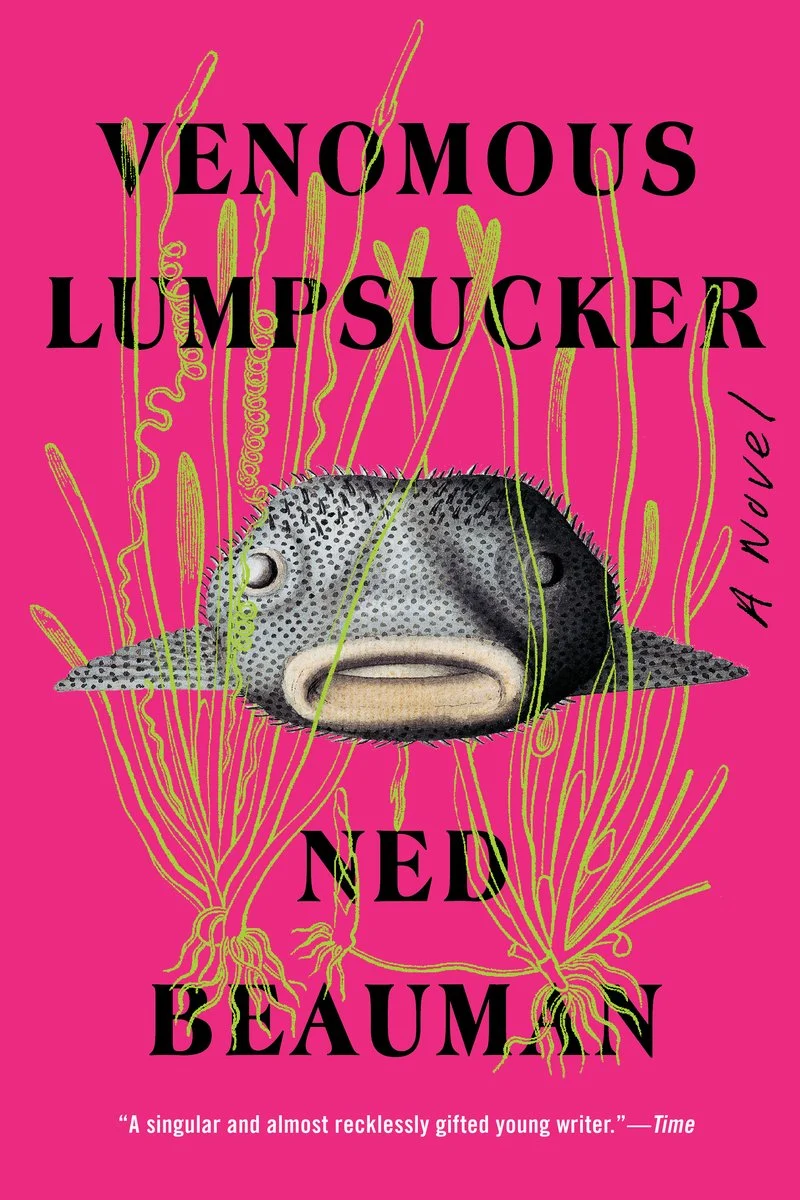
Venomous Lumpsucker

Quite fun! I grabbed this in a book swap with my Small Press Fiction book club. Much of what makes speculative fiction interesting is that it is speculating on our future. Good spec fic finds roots in our contemporary world and draws them out through time, to some logical conclusion. ‘Logical’ here does not mean ‘exact’ or ‘unexaggerated’ or even especially ‘likely.’ It means, the reader can suspend disbelief such that they can imagine the book happening, and they can see parallels in the current world. When those parallels are foundational to the story, and when the story is some version of fun (gallivanting, interesting, riveting, perplexing, even sometimes the right dose of depressing), the writer has produced something worth reading and worth enjoying, as here Beauman has done. ...

May 23, 2026 · Ned Beauman · 

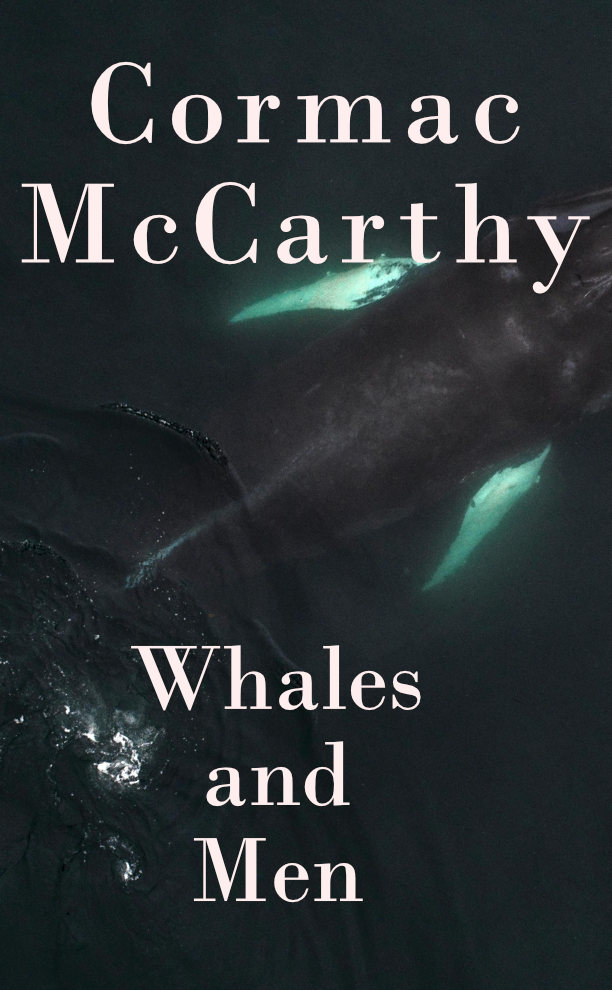
Whales and Men

This is an unpublished screenplay from Cormac McCarthy that follows a few characters as they contemplate whales, existence, language, and destiny. There are early elements here that echo throughout much of his future work: a character called Western, themes around language and consciousness, and racing cars, among many others. I highlight these because these are the clearest found later, in The Passenger, though the commentary on language is deeply explored in The Kekulé Problem, which this reads almost as a mental discussion of. ...

May 1, 2026 · Cormac McCarthy · 

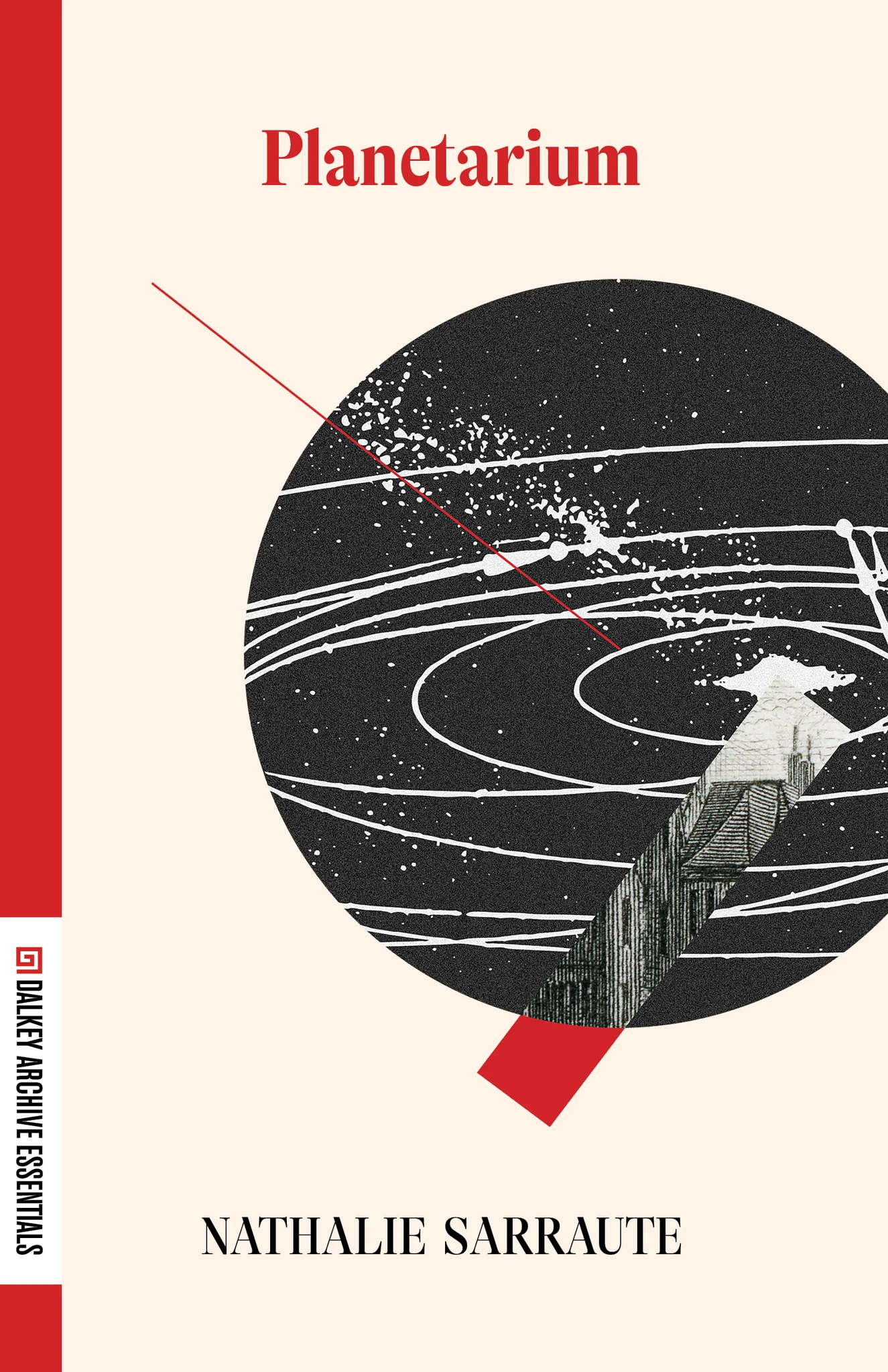
The Planetarium

My review will be shorter than the average paragraph in this book. The paragraphs are so long and so punctuated by ellipses that after a time my eyes began to slide across the pages and shift up and down and all around trying to track the internal monologues of our characters. I resisted this at first, feeling that I was losing some sense of coherence. Eventually, I gave up on this and understood that the impression of scattered internality is at least a part of the point. These characters are all wrapped up in themselves, and in how their expressions of self communicate status and prestige. ...

April 28, 2026 · Nathalie Sarraute · 

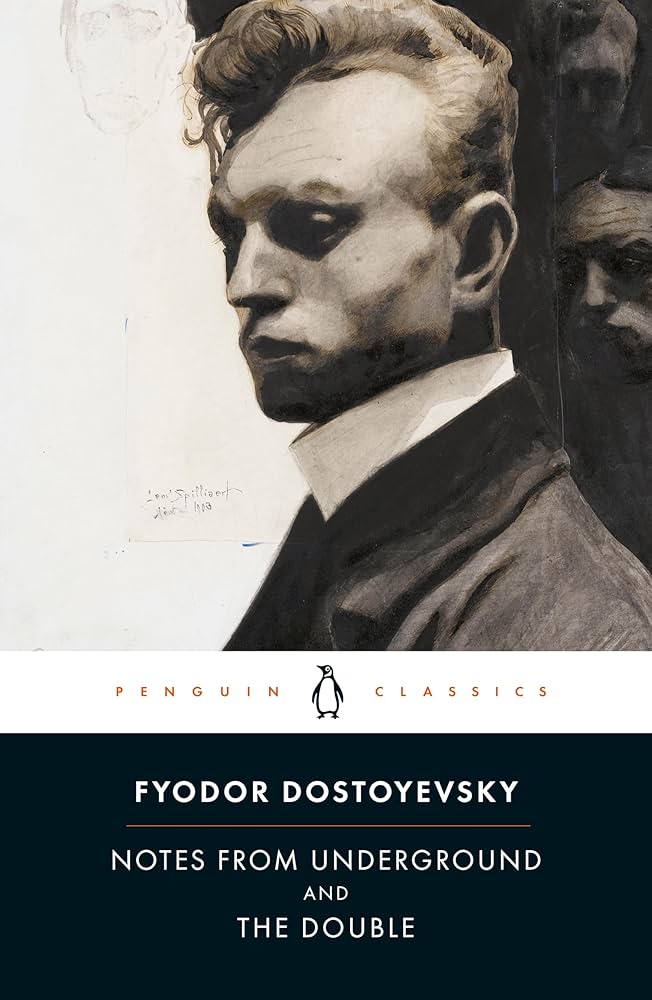
Notes from the Underground

Bought this a while back because I felt compelled to investigate some of the Classics, but didn’t want to dive right into The Brothers Karamazov. I have no idea if this is reflective of Dostoevsky’s broader writing style, but I found this almost physically painful to read. Our narrator is so repellent that I couldn’t make myself read it on the metro with a dead phone. After 60 pages, I pulled up the audiobook on YouTube and sped it up to 2.65x speed to get it over with. ...

April 13, 2026 · Fyodor Dostoevsky ·